segunda-feira, 21 de agosto de 2023

ChatGPT - A tool or a nightmare for universities?


The link above concerns a document in the Swedish language that was put online a few days ago, more precisely on the 16th of August. It contains the opinion of some Swedish academics regarding the question that was posed in the title of this post. I reproduce below a summary of chapter 5, which I requested from ChatGPT:

"AI Tools within Universities: The study sought to understand if teachers at universities are using AI tools in any way, and most participants, except one, reported daily use of AI tools. They found AI tools to be helpful and expressed positive views regarding their use.
Plagiarism and Cheating: There were concerns about increased plagiarism since the launch of ChatGPT. Participants suggested that changes in assessment methods might be necessary to prevent students from using ChatGPT for academic tasks.
University Teachers' Prior Knowledge: All interviewed university teachers had some basic knowledge of ChatGPT, although not all were experts. They were aware of what ChatGPT is and how it functions.
Opportunities: Participants recognized opportunities in using ChatGPT to enhance teaching and research efficiency within universities. They highlighted how the tool could support both students and teachers in various academic tasks.
Risks: Risks associated with ChatGPT use were mentioned, including a potential decrease in active information seeking by students and overreliance on the tool. Concerns were also raised about the quality of students' work when using ChatGPT.
Ethical Aspects: Ethical concerns were discussed, including issues of privacy and security when sharing information with AI tools. Participants also mentioned ethical concerns related to training AI with sensitive data and universities' responsibility to promote ethical practices in technology use"

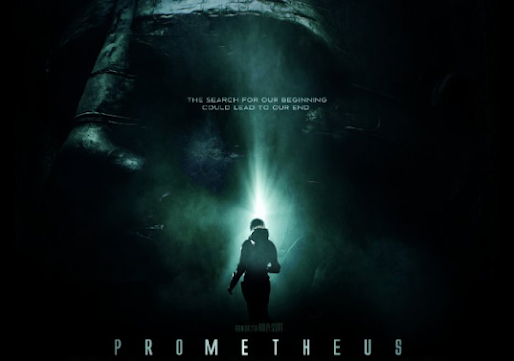
PS - More interesting, however, is the result you get when you feed ChatGPT with a review of a controversial book by Columbia University professor J.Crary, which is available here https://www.theoryculturesociety.org/blog/review-jonathan-crary-scorched-earth (a book that the ChatGPT does not know because it was trained only with the information generated until September 2021) and then the same ChatGPT is asked to produce an essay that relates the thesis of the said book, with the well-known film Prometheus, to which the academic community has already dedicated a large number of publications. See the result reproduced below:

"The movie "Prometheus" and Jonathan Crary's book "Scorched Earth: Beyond the Digital Age to a Post-Capitalist World" both touch upon themes related to the consequences of technological advancements and the potential dangers they pose to humanity. While they belong to different mediums and address distinct contexts, there are some common elements between their theses:
  1. Critique of Technology: Both "Prometheus" and Crary's book offer critiques of technology. In "Prometheus," the central theme revolves around the misuse of advanced technology by humans, ultimately leading to disastrous consequences. Similarly, Crary critiques the all-encompassing influence of digital technology, particularly the internet, and how it is reshaping society and individual lives in potentially harmful ways.

  2. The Loss of Humanity: In "Prometheus," the reckless pursuit of knowledge and technological power leads to a dehumanizing transformation of the characters, particularly the android David. Crary's book explores how the pervasive presence of digital technology can erode human connections and empathy, leading to what he calls the "mechanization of emotion." Both works raise concerns about the loss of humanity in the face of advancing technology.

  3. Capitalism and Technology: "Prometheus" touches on the theme of corporate greed and the intersection of capitalism with technology, as the expedition to the alien planet is funded by a wealthy corporation seeking to exploit a potential resource. Crary's book explicitly links the rise of the internet and digital technology to neoliberal capitalism, arguing that these technologies have primarily served to make individuals more efficient for capitalist interests rather than enhancing their lives.

  4. Environmental Consequences: While not a central theme in "Prometheus," the movie does depict the potential environmental consequences of reckless scientific exploration. In contrast, Crary's book explicitly addresses the ecological impacts of the digital age, emphasizing the damage caused by the production and disposal of electronic devices and the excessive consumption of digital content.

  5. Call for Change: Both "Prometheus" and Crary's book call for change in their own ways. In "Prometheus," the dire consequences of unchecked technological ambition serve as a cautionary tale. Crary, on the other hand, advocates for a shift away from the all-encompassing grip of capitalism and a reevaluation of our relationship with digital technology in order to create a more sustainable and humane future.

  6. Questioning the Status Quo: Both works challenge the prevailing status quo. "Prometheus" challenges the idea that scientific and technological progress is inherently beneficial, while Crary's book challenges the notion that the proliferation of digital technology is an unequivocal boon for society."

domingo, 20 de agosto de 2023

ChatGPT - Uma ferramenta ou um pesadelo para as universidades ?


O link supra diz respeito a um documento em lingua Sueca que foi colocado online há poucos dias, mais precisamente em 16 de Agosto. O mesmo contém a opinião de alguns académicos suecos quanto à pergunta que foi colocada no título deste post "ChatGPT - Uma ferramenta ou um pesadelo para as universidades ?"

Reproduzo abaixo um resumo do capítulo 5, que solicitei ao ChatGPT. A razão porque não solicitei ao ChatGPT um resumo em Português é muito simples, os textos em língua Portuguesa reduzem o alcance internacional do meu blogue (de qualquer blogue ou de qualquer texto) como aliás eu já tinha dado conta, em 25 de Dezembro de 2019, quando divulguei um estudo de investigadores do MIT, de Harvard, de Aix-Marseille e da Northeastern Univ. https://pacheco-torgal.blogspot.com/2019/12/as-linguas-mais-eficazes-para.html

"AI Tools within Universities: The study sought to understand if teachers at universities are using AI tools in any way, and most participants, except one, reported daily use of AI tools. They found AI tools to be helpful and expressed positive views regarding their use.
Plagiarism and Cheating: There were concerns about increased plagiarism since the launch of ChatGPT. Participants suggested that changes in assessment methods might be necessary to prevent students from using ChatGPT for academic tasks.
University Teachers' Prior Knowledge: All interviewed university teachers had some basic knowledge of ChatGPT, although not all were experts. They were aware of what ChatGPT is and how it functions.
Opportunities: Participants recognized opportunities in using ChatGPT to enhance teaching and research efficiency within universities. They highlighted how the tool could support both students and teachers in various academic tasks.
Risks: Risks associated with ChatGPT use were mentioned, including a potential decrease in active information seeking by students and overreliance on the tool. Concerns were also raised about the quality of students' work when using ChatGPT.
Ethical Aspects: Ethical concerns were discussed, including issues of privacy and security when sharing information with AI tools. Participants also mentioned ethical concerns related to training AI with sensitive data and universities' responsibility to promote ethical practices in technology use"

PS - Mais interessante porém, é o resultado que se obtém, quando se alimenta o ChatGPT com a revisão de um polémico livro, do professor catedrático da universidade de Columbia, J.Crary, que está disponivel aqui https://www.theoryculturesociety.org/blog/review-jonathan-crary-scorched-earth (livro esse que o ChatGPT não conhece porque foi treinado somente com a informação gerada até Setembro de 2021) e depois se pede ao mesmo ChatGPT, que produza um ensaio que relacione a tese do referido livro, com o conhecido filme Prometheus, a que a comunidade académica já dedicou um elevado número de publicações. Vide resultado que abaixo se reproduz:

"The movie "Prometheus" and Jonathan Crary's book "Scorched Earth: Beyond the Digital Age to a Post-Capitalist World" both touch upon themes related to the consequences of technological advancements and the potential dangers they pose to humanity. While they belong to different mediums and address distinct contexts, there are some common elements between their theses:
  1. Critique of Technology: Both "Prometheus" and Crary's book offer critiques of technology. In "Prometheus," the central theme revolves around the misuse of advanced technology by humans, ultimately leading to disastrous consequences. Similarly, Crary critiques the all-encompassing influence of digital technology, particularly the internet, and how it is reshaping society and individual lives in potentially harmful ways.

  2. The Loss of Humanity: In "Prometheus," the reckless pursuit of knowledge and technological power leads to a dehumanizing transformation of the characters, particularly the android David. Crary's book explores how the pervasive presence of digital technology can erode human connections and empathy, leading to what he calls the "mechanization of emotion." Both works raise concerns about the loss of humanity in the face of advancing technology.

  3. Capitalism and Technology: "Prometheus" touches on the theme of corporate greed and the intersection of capitalism with technology, as the expedition to the alien planet is funded by a wealthy corporation seeking to exploit a potential resource. Crary's book explicitly links the rise of the internet and digital technology to neoliberal capitalism, arguing that these technologies have primarily served to make individuals more efficient for capitalist interests rather than enhancing their lives.

  4. Environmental Consequences: While not a central theme in "Prometheus," the movie does depict the potential environmental consequences of reckless scientific exploration. In contrast, Crary's book explicitly addresses the ecological impacts of the digital age, emphasizing the damage caused by the production and disposal of electronic devices and the excessive consumption of digital content.

  5. Call for Change: Both "Prometheus" and Crary's book call for change in their own ways. In "Prometheus," the dire consequences of unchecked technological ambition serve as a cautionary tale. Crary, on the other hand, advocates for a shift away from the all-encompassing grip of capitalism and a reevaluation of our relationship with digital technology in order to create a more sustainable and humane future.

  6. Questioning the Status Quo: Both works challenge the prevailing status quo. "Prometheus" challenges the idea that scientific and technological progress is inherently beneficial, while Crary's book challenges the notion that the proliferation of digital technology is an unequivocal boon for society."

sexta-feira, 18 de agosto de 2023

The real reason why Portugal attracts thousands of retired Swedes


In Portugal, hard-working politicians are known to dedicate nearly around-the-clock hours to their responsibilities, often extending their work even during lunchtime. This practice is exemplified by cases like the city council of Oeiras, which has just been known to have spent 139,000 euros on expenses labeled as 'working lunches'.

Invoices submitted by the mayor of Oeiras (Isaltino Morais) and his team show massive consumption of lobster, oysters, suckling pig, tiger prawns, pata negra ham, tobacco, wine, aphrodisiac sake, brandy, Moët & Chandon https://www.sabado.pt/portugal/detalhe/oeiras-ja-gastou-139-mil-euros-em-1441-almocos-de-trabalho

In absolute contrast, Sweden struggles to attract good candidates to politics, because the strict regulations surrounding the use of public funds, even for minor expenses like purchasing simple chocolate bars, can lead to potential resignations https://www.nytimes.com/1995/11/14/world/stockholm-journal-the-shame-of-a-swedish-shopper-a-morality-tale.html

Perhaps this is a contributing factor to the substantial influx of thousands of Swedes moving to Portugal. It is plausible that a sizable number among them have aspirations to pursue a career in (extremely well-fed) Portuguese politics https://www.theportugalnews.com/news/2021-11-29/portugal-a-new-trend-for-swedish-retirees/63835

PS - In 2009, Isaltino Morais was sentenced to a 7-year jail sentence, but after his lawyers handed over 44 appeals, the sentence was reduced to just 14 months, which he served between April 2013 and June 2014. Convicted for tax fraud and money laundering, he escaped charges of corruption due to the statute of limitations, as the alleged "incident" occurred in 1996. Surprisingly, in 2017 he was again elected Mayor of Oeiras and in 2021 he was re-elected to the same position. This means that those who elected and re-elected him do not care that in the very same country whose minimum monthly amount of pensions under the general Social Security scheme is less than 200 euros, there are politicians spending thousands of euros on "work lunches". In 2010, Brazil enacted Law n. 135, better known as the Clean Record Law. This law renders ineligible for eight years politicians who have their mandate revoked, resign to avoid revocation, or are convicted. Unfortunately, there is no such law in Portugal, which means that in this country convicted politicians (like Isaltino Morais) can run for office repeatedly.